
Smirking Fox News Host Accused of Homophobia over Pete Buttigieg ‘Slip of the Tongue’

Recent remarks by Fox News host Rachel Campos-Duffy have ignited a firestorm of controversy. While discussing former Transportation Secretary Pete Buttigieg, Campos-Duffy made a slip of the tongue that many have deemed offensive and indicative of underlying homophobia. During a segment analyzing Buttigieg’s demeanor and masculinity, she mistakenly referred to him as a “winger-fagger.” Shortly after the slip, she quickly corrected herself to “finger-wagger,” but the damage was already done.
The uproar that followed this incident raises important questions about the media’s portrayal of LGBTQ figures and the responsibility of public commentators in navigating sensitive topics. As an openly gay politician, Buttigieg’s image has been a focal point for various political debates, and comments like those made by Campos-Duffy can have far-reaching implications. Fox News later defended Campos-Duffy, asserting that the remark was a simple mistake, clarifying that the network stands behind her on this matter.
Context Behind the Controversy

Before the controversial slip, Pete Buttigieg appeared on comedian Andrew Schulz’s podcast, during which he showcased a more rugged persona. This appearance sparked conversation about his authenticity within the “manosphere,” a term often used to describe online communities focused on masculinity and men’s rights. During her segment, Campos-Duffy criticized Buttigieg’s comments about fellow Democrats, which she attributed to a “finger-wagging” style of leadership. However, this apparent slip seemed to cross a line for many viewers.
- Critics argue that Campos-Duffy’s gaffe reveals a disconcerting attitude towards LGBTQ individuals, especially given Buttigieg’s position as one of the first openly gay cabinet members in U.S. history.
- Moreover, the incident has spotlighted the ongoing struggles for representation and acceptance within the political discourse regarding LGBTQ issues.
- The backlash from the LGBTQ community and allies underscores the heightened sensitivity surrounding the language used in media reports and commentary.
Public Reaction and Implications
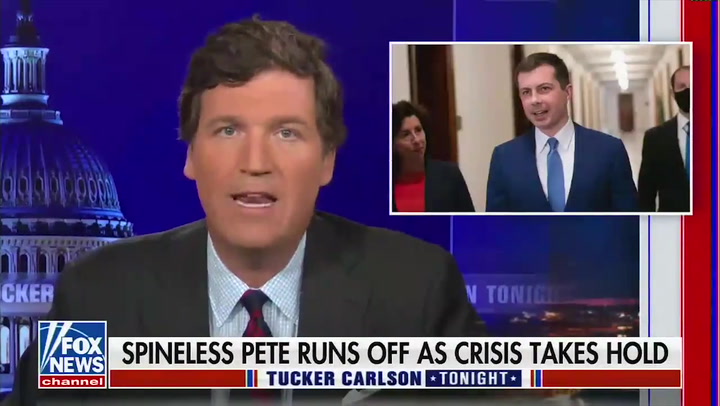
As the fallout from Campos-Duffy’s comments continues, responses from the public have varied widely. Some viewers have defended her, attributing the incident to a mere verbal slip, while others have interpreted the comment as a reflection of deeper biases. LGBTQ advocacy groups, alongside media watchdogs, have spoken out against the incident, emphasizing the need for accountability in how public figures speak about and represent marginalized communities.
This event sheds light on broader discussions regarding representation in media and politics, especially in a time when LGBTQ rights are a significant topic of debate across the country. Buttigieg’s visibility as a politician has brought essential conversations to the forefront, but incidents such as this can undermine those advancements by perpetuating harmful stereotypes and narratives.
- The suggestion that Campos-Duffy’s comment was a “new anti-gay slur” raises further concerns about the language used in political discourse, particularly concerning figures like Buttigieg.
- Critics argue that media figures have a responsibility to approach discussions on LGBTQ topics with care and respect, given the potential impact of their words.
The Bigger Picture in Political Commentary

This incident involving Campos-Duffy is not just about a single slip of the tongue; it reflects larger societal issues regarding how LGBTQ individuals are represented in media and public discourse. As discussions about masculinity and political identity evolve, so too should the language used to describe those issues. Many advocates argue that media responsibility is paramount, particularly when addressing diverse identities in a polarized political landscape.
The scrutiny surrounding Campos-Duffy’s remarks aligns with a growing expectation that public figures, especially those in media, should not only avoid derogatory language but should actively promote inclusivity in their narratives. With the political climate becoming increasingly charged, commentators must navigate their language carefully as it contributes to the shaping of public opinions.
Conclusion
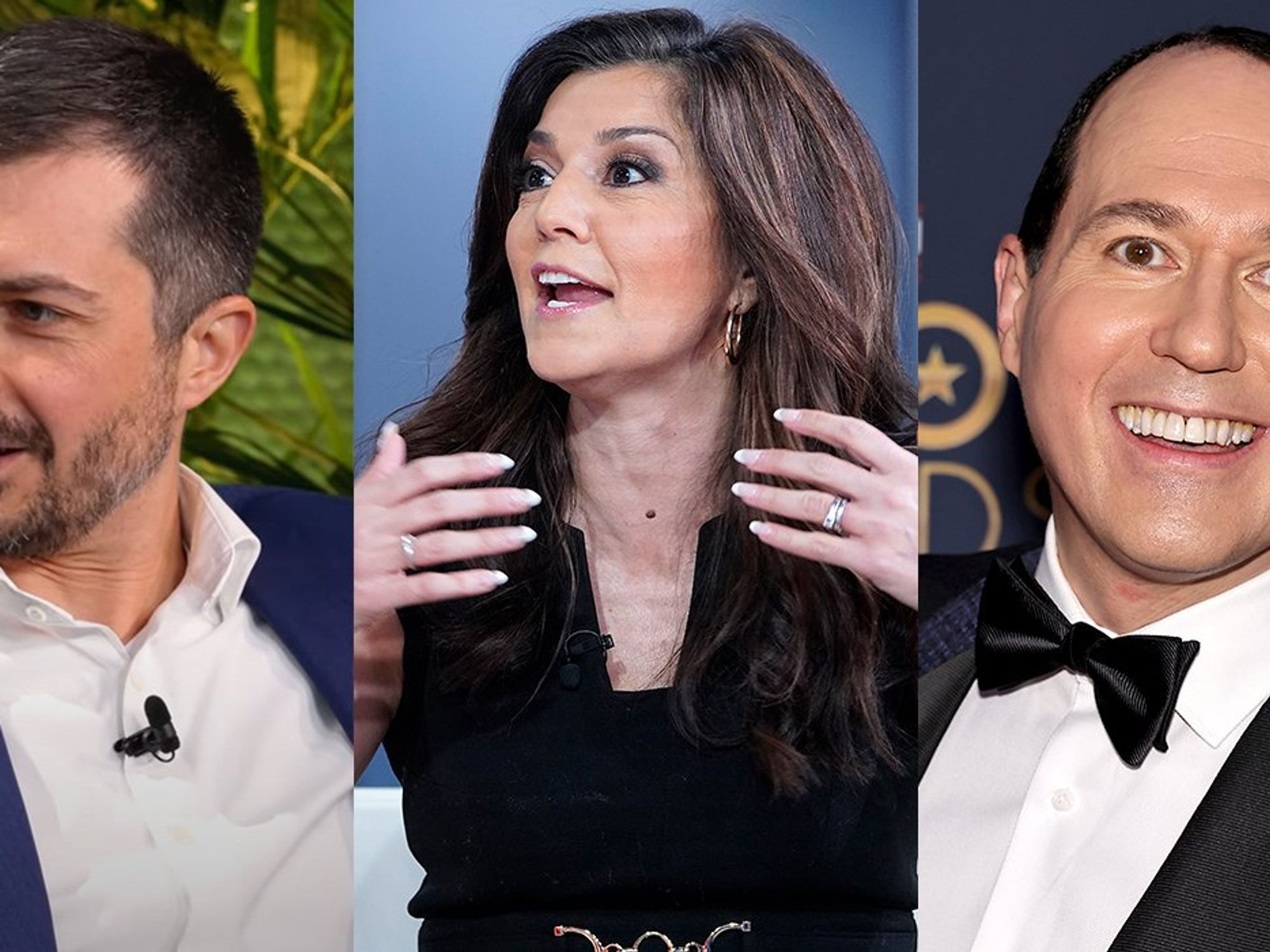
The backlash against Rachel Campos-Duffy over her controversial remarks about Pete Buttigieg serves as a critical reminder of the intricate relationship between media representation and societal attitudes towards LGBTQ individuals. As we move forward, it becomes essential for media figures to foster a dialogue characterized by respect and understanding. Advocates and viewers alike are encouraged to hold public figures accountable and to engage in thoughtful discussions around representation. For more insights on LGBTQ issues and media representation, stay informed and continue the conversation.
This event encapsulates the ongoing discourse surrounding the need for mindful representation in media, as the implications of language continue to shape societal attitudes and perceptions.

Leave a Reply