
Wynne Evans Slams BBC in Explosive Live TV Interview with Ben Shephard and Cat Deeley
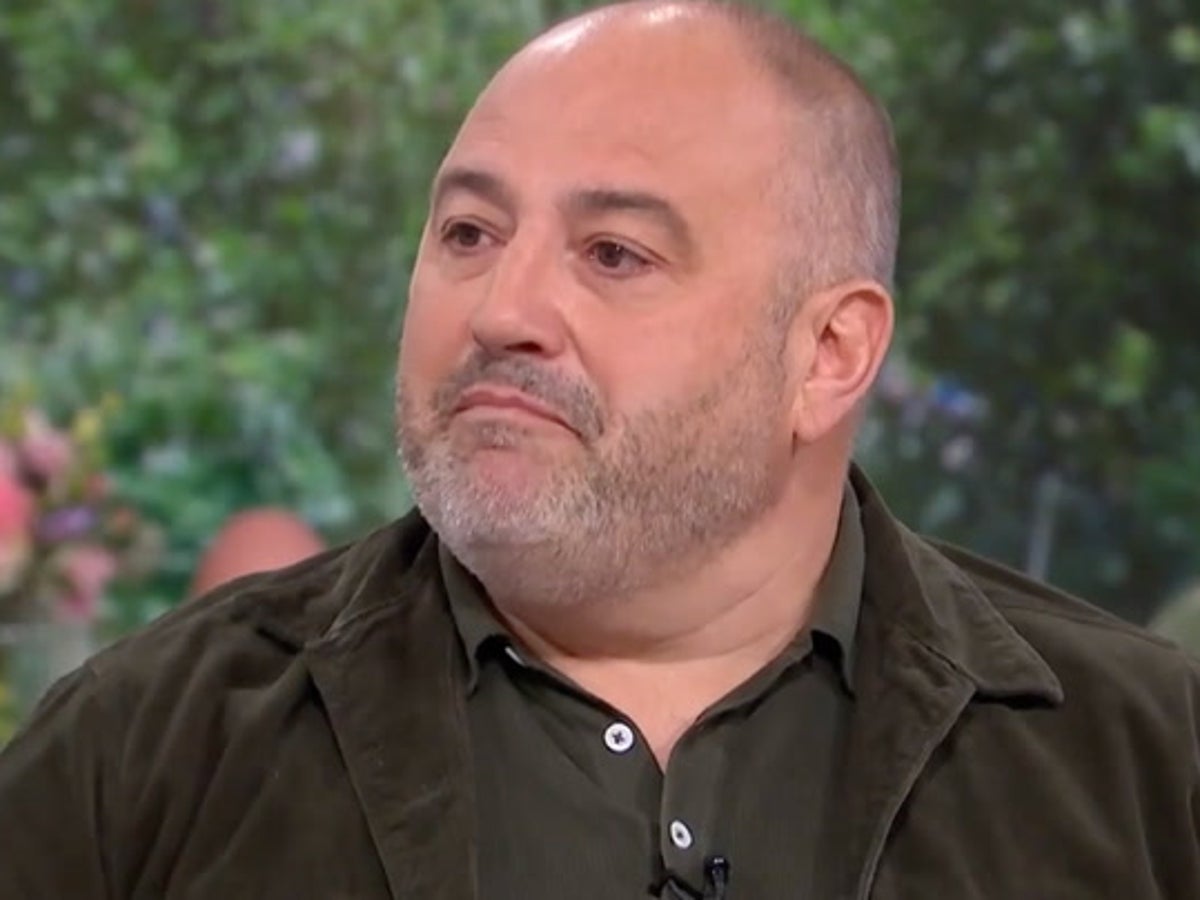
In a shocking turn of events, Wynne Evans grabbed the spotlight during a recent interview on “This Morning,” where he did not hold back in slamming the BBC. His biting criticism comes in the wake of a series of controversies linked to his participation in “Strictly Come Dancing.” These issues included inappropriate comments and disputes with fellow dancers, ultimately leading to the BBC’s decision not to renew his radio show contract.
Clarifying Misunderstandings
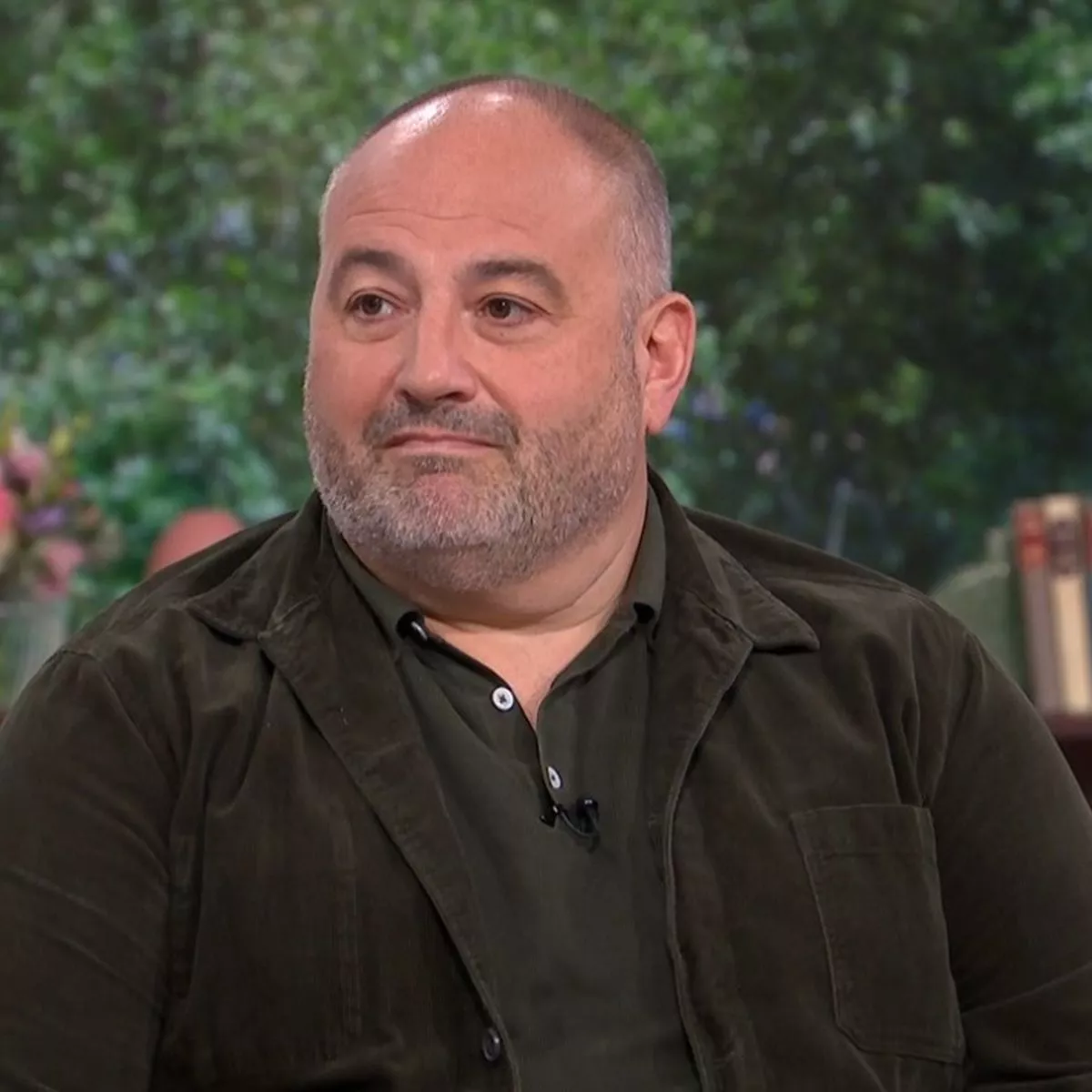
During the interview, Evans took the opportunity to clarify various misconceptions surrounding his behavior. A significant point of contention arose from an apology that the BBC issued on his behalf. Evans firmly stated he never authorized the apology, which was publicized following a comment he made at the launch of the “Strictly” tour. He recalled the moments leading up to the incident, remarking, “oh God, I’m sorry,” which he felt was twisted into a formal statement that the BBC later shared with the press.
Evans expressed his frustration over how his words were manipulated, stating that the quick transition from verbal expression to an official apology felt like a betrayal of his intentions. He made it clear that he wanted to apologize if necessary, but the way it was handled left him feeling misrepresented and alone in a challenging situation.
The Impact of Media Scrutiny

In discussing his experiences, Evans highlighted the corrosive nature of media scrutiny and its effects on mental health. He revealed that following his suspension from the show, he felt abandoned by the BBC, particularly when it came to psychological support. He noted that he had not received any direct correspondence from the corporation, with communications solely routed through his legal representatives. This lack of support exacerbated his feelings of isolation and distress during an already difficult period.
The pressure of being in the public eye, compounded by critical media coverage, led Evans to reveal he experienced suicidal thoughts as he grappled with the fallout from his participation in “Strictly Come Dancing.” He expressed regret about joining the show, stating that it was not a conducive environment for his wellbeing. The emotional toll of navigating his career in the limelight became starkly evident as he recounted his struggles.
Provoking Discussion on Accountability

Evans’ candid revelations have sparked important discussions about accountability within the broadcasting industry. His experience raises questions about how organizations like the BBC handle public figures in crisis and the responsibility they bear towards their mental health. It serves as a reminder that behind the glamorous facade of television, there are real people facing genuine challenges—often exacerbated by the very institutions that employ them.

Moreover, the lack of adequate mental health support for individuals in the entertainment industry needs to be addressed with urgency. Evans’s statements highlight the necessity for a more robust system that prioritizes the mental wellbeing of talent, ensuring they are supported rather than left to fend for themselves amid controversy and scrutiny.
Ultimately, Wynne Evans’s fiery interview has brought to light significant issues regarding how media and broadcasting entities respond to allegations and controversies, igniting a necessary dialogue on mental health support and the often murky waters of public accountability.
As this conversation continues to unfold, it is essential for fans, followers, and the industry at large to engage actively, demanding better practices for those in the public eye. The entire episode serves as a call to action for improved support systems that prioritize the wellbeing of performers over sensationalism.
Leave a Reply