
Joy Reid Floats Speculation That Her Race, ‘Anxiety’ Surrounding Trump Played Role in MSNBC Firing
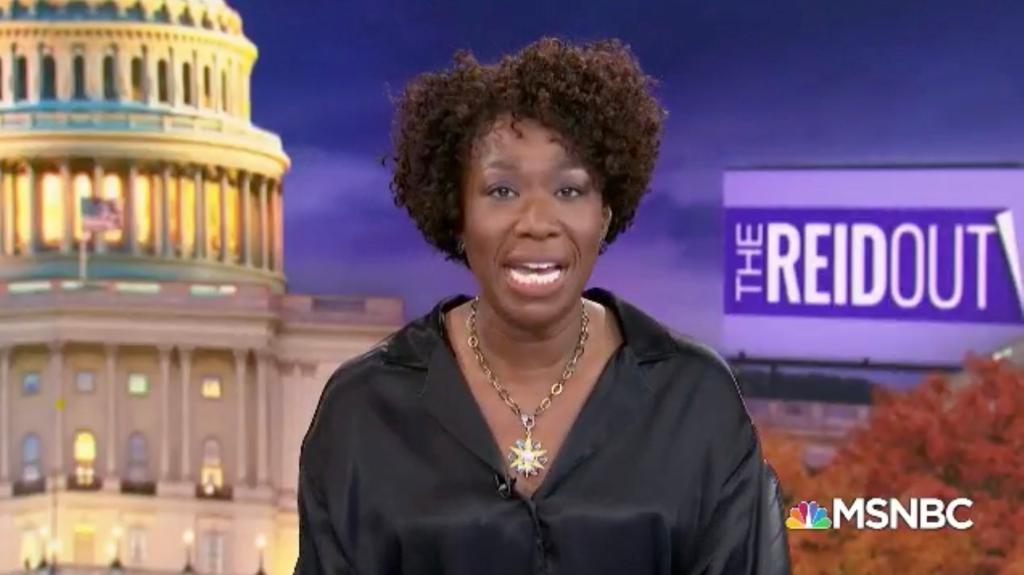
Former MSNBC host Joy Reid recently opened up about the reasons behind her show’s cancellation during an insightful conversation with journalist Katie Couric. In this discussion, Reid speculated that both her race and the heightened anxiety surrounding former President Donald Trump may have significantly influenced her dismissal from the network. This commentary ignites a broader dialogue about race, gender, and the shifting dynamics of media in contemporary America.
The Tension in Media Surrounding Trump
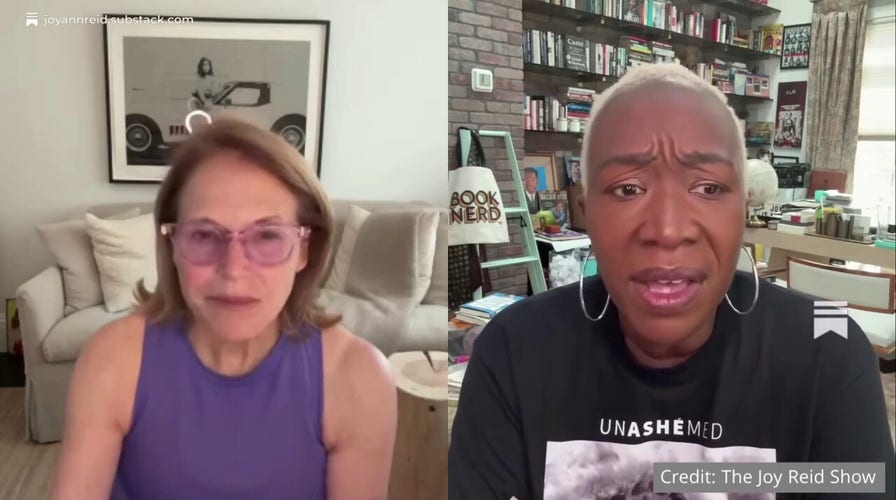
In her interview, Reid painted a vivid picture of the current media landscape, particularly concerning Trump’s polarizing influence. She pointed out that the anxiety related to Trump’s leadership has created a tense environment within news organizations. Reid noted that various members of the media have felt the urge to modify their critical narratives regarding Trump, reflecting a significant concern about how coverage could impact audience perception and corporate news agendas.
Reid specifically mentioned other major networks like CBS and ABC, indicating that they, too, have reconsidered their approaches to Trump-related stories. The pressure on these organizations to tone down critical coverage is a topic of discussion that Reid believes must be addressed, especially given the ripe context of racial and political tensions. This atmosphere of caution is not just limited to Trump; it extends to the broader implications of how race influences media portrayals of news figures.
The Intersection of Race, Gender, and Media

One of the most striking points raised by Reid was the unique challenges faced by Black women in media, particularly in their interactions with powerful political figures like Trump. Reid drew attention to Trump’s documented history of hostility towards criticisms issued by Black female journalists, implying that her race plays a significant role in the dynamics of public engagement and discourse. Her approach to journalism often encompasses a deep dive into the racial history of the U.S., a perspective that may have created discomfort for Trump and others who prefer a more sanitized narrative.
Reid emphasized that her analytical style often challenged the predominantly white, male-dominated narratives traditionally pervasive in political commentary. This divergence may have contributed to the anxiety felt by both the network and politicians alike, hinting that her presence on air was not only a challenge to the status quo but also a reflection of changing societal norms around race and representation.
MSNBC’s Programming Changes and Audience Dynamics

Amidst the backdrop of Reid’s firing, MSNBC has experienced a series of programming changes that have not yielded the expected boost in ratings. Reid pointed out that despite the network’s shifts, her show had maintained a reasonable audience share compared to other offerings. While she acknowledged a decline in viewership post-election, she noted that this decline was not as steep as that of some peers, including the highly regarded Rachel Maddow.
Despite sustaining a dedicated viewer base, Reid highlighted a lack of transparent communication from MSNBC regarding the reasons for her dismissal. She described the explanation she received as scripted and unsatisfactory, increasing her frustration and confusion about the network’s decision-making process. As a response to the growing sensitivity within the organization regarding public perception, Reid admitted that she had started to reevaluate her social media presence, which further affected her approach towards engagement and expression.
Joy Reid’s commentary sheds light on the intricate interplay between race, gender, and the politics of media, particularly in the context of her firing and the surrounding narrative about Trump. It raises important questions about the responsibilities of broadcasters and the structural dynamics that govern media representation and personal expression in politically charged atmospheres.
In conclusion, Reid’s insights offer a crucial lens through which we can examine the current state of media and its engagement with race and politics. For those interested in exploring these themes further, consider diving into further analysis of how individual voices can shape narratives in an ever-evolving media landscape.

Leave a Reply