
Fox News Meltdown After ‘60 Minutes’ Anchor Attacked Trump

In a striking confrontation on the latest episode of “The Ingraham Angle,” Fox News host Laura Ingraham unleashed a barrage of criticism against CBS News anchor Scott Pelley. Ingraham labeled Pelley a “tool” and expressed skepticism about the reputation of the mainstream media he represents. This verbal clash emerged after Pelley delivered a speech at Wake Forest University, where he articulated concerns over the current state of journalism, academic freedom, and free speech, subtly criticizing former President Donald Trump without mentioning his name directly.
Ingraham’s passionate retort centered on Pelley’s past role at CBS News, contending that he deflected blame for his departure from the CBS Evening News onto workplace issues instead of taking responsibility for his performance. She described him as a “whiny liberal,” claiming that both he and CBS have seen their influence wane significantly over the years. According to Ingraham, this decline is largely attributed to the rise of alternative media platforms like talk radio, Fox News, and a multitude of independent digital creators.
Legacy Media’s Self-Sabotage

Ingraham’s critique didn’t stop at Pelley. She expressed her thoughts on legacy media’s potential self-sabotage, arguing that traditional news outlets have severely underestimated how the public perceives their often-biased reporting. She mentioned how networks like CBS, NBC, and ABC have lost their footing, suggesting that these establishments have become increasingly detached from the audiences that once valued them.
In her view, the ascendance of non-traditional media formats has filled a gap left by these networks, which she believes failed to adapt to the evolving media landscape. By ignoring the concerns and opinions of their viewers, these legacy companies have inadvertently paved the way for more diversified media consumption. Ingraham’s remarks echo a sentiment shared by many who argue that traditional media’s credibility is suffering due to its inability to connect with the public.
Pelley’s Concerns About Journalism
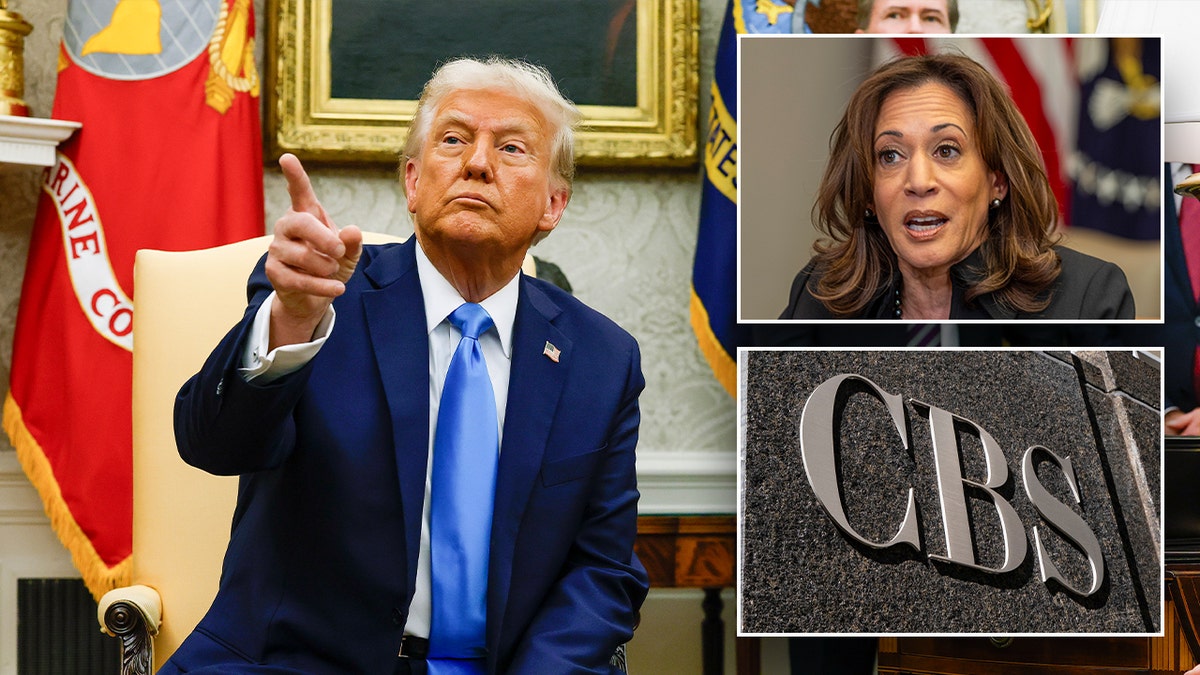
During his commencement address at Wake Forest, Pelley articulated trenchant critiques regarding the threats facing journalism today. He drew connections between these challenges and wider societal issues, like a pervasive culture of ignorance, which he posits benefits those in power. Pelley’s speech resonated with the audience as he highlighted the intimidation tactics increasingly directed at journalists and reaffirmed the importance of free speech, particularly within academic circles.
His comments were an apparent rallying cry for journalists and supporters of free expression, with an underlying plea for solidarity against the rising tide of censorship. Pelley’s direct and impassioned remarks struck a chord, especially amid ongoing debates surrounding journalistic integrity and the treatment of the press in the context of political discourse.
The Clash of Media Platforms

The exchange between Ingraham and Pelley encapsulates a broader battle between traditional media and emerging platforms, exemplifying the stark divides that have developed in public trust and media consumption. In an era where sensationalism and alternate narratives abound, both sides of this media conflict feature valid points regarding their respective influences on the public’s perception of truth.
Ingraham’s emphasis on the decline of old media giants resonates with audiences who feel misrepresented or disregarded by mainstream outlets. Conversely, Pelley’s warnings about the state of journalism reflect anxieties felt by many regarding the proliferation of misinformation and the erosion of standards that have historically defined credible reporting. These contrasting viewpoints highlight an ongoing struggle not only for audience attention but also for the preservation of journalistic integrity in the face of evolving media dynamics.

As the clash between Fox News and CBS unfolds, it serves as a microcosm of larger divisions within the media landscape. The dialogue initiated by Pelley’s address and amplified by Ingraham illustrates how the conversation around news—its integrity, its biases, and its future—continues to be both urgent and complex.
With the media landscape in constant flux, it becomes increasingly vital for consumers to remain vigilant and discerning in their consumption of news. As debates surrounding freedom of speech and journalistic integrity escalate, individuals are encouraged to engage critically with the stories they consume and support platforms that strive for balanced reporting.
Leave a Reply