
Sunny Hostin Forced To Walk Back Her Remark About “Uneducated White Women” As ‘The View’ Unpacks Trump’s Victory

In a recent episode of “The View,” co-host Sunny Hostin found herself at the center of controversy after comments regarding Donald Trump’s voter base. Her remarks specifically highlighted the term “uneducated white women,” which sparked widespread backlash across social media platforms. Hostin’s statement came during a discussion about Trump’s election victory, where she expressed her disappointment over the voting patterns witnessed among various demographics.

During the segment, Hostin noted that while a substantial number of Black women and Latina voters turned out to support Vice President Kamala Harris, approximately 52% of white women cast their votes for Trump. In pondering the reasoning behind this trend, she posed critical questions regarding the support for a candidate whose policies—including deportations—could be detrimental to certain communities.
Understanding the Backlash Against Hostin’s Comments
However, Hostin’s choice of the word “uneducated” to describe a significant segment of voters was met with immediate backlash. Critics suggested that labeling women in such terms might encourage division rather than foster constructive dialogue. Following the criticism, Hostin clarified her remarks, asserting that she was specifically referring to “non-college-educated white women.” This explanation emerged after fellow co-host Alyssa Farah Griffin highlighted the potential pitfalls of categorizing people in such a derogatory manner.
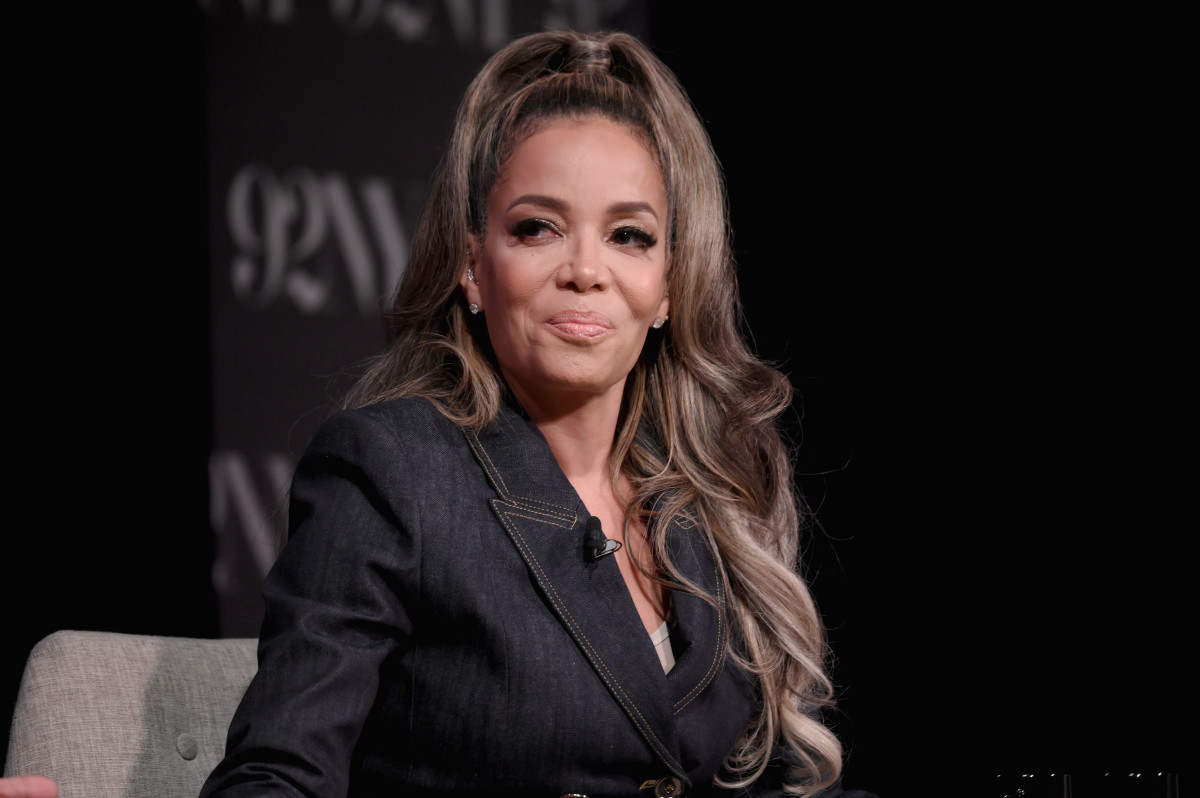
Hostin’s remarks sparked a firestorm of reactions online, with many users accusing her of engaging in divisive rhetoric. Critics emphasized that she should be cautious when generalizing voter groups, noting that such generalizations could undermine efforts to achieve unity amid political differences. Detractors from various backgrounds expressed their feelings about the need to shift from a divisive dialogue to one centered on understanding and inclusivity.
Political Sensitivity in Talk Show Discussions

The incident has raised questions about the level of political sensitivity required in today’s media landscape, particularly on widely viewed platforms like “The View.” Talk shows often serve as a microcosm of broader societal debates and can significantly influence public opinion. Viewers expect hosts to navigate these tricky conversations carefully, maintaining a balance between honest discussion and respectful dialogue.

As the hosts delve into politically charged topics, they must tread lightly to avoid unnecessary polarization. The backlash against Hostin’s comments serves as a reminder that words carry weight, and the political climate remains fragile. Women, in particular, have a wide array of perspectives, and labeling them can detract from their autonomy and individuality.
The Role of Media in Shaping Political Narratives

The power of media in shaping political narratives cannot be overstated. Increasingly, shows like “The View” are seen as platforms not just for entertainment but for serious discourse on political events and elections. Panelists, including Hostin, play a critical role in framing these narratives, and their words can resonate widely with their audience.
Whether it is a matter of race, gender, or socioeconomic status, the discussions on shows like “The View” can sway public opinion and contribute to the shaping of political discourse. The controversy around Hostin’s terminology highlights the importance of mindful communication. Political discussions can enhance understanding, but they can also lead to misinterpretation and division when not handled carefully.
The evolving dialogue around Trump’s victory and the associated voting behaviors points to broader societal trends that deserve exploration. What drives different demographics to support candidates whose policies may not align with their interests? These deeper inquiries can lead to more informed conversations rather than one-dimensional critiques.
Conclusion
As the discussion continues to unfold, the incident involving Sunny Hostin serves as a catalyst for reflection on how we engage in political discourse. The importance of inclusive language and the need for empathy in these conversations is paramount. Talk shows like “The View” have the potential to bridge divides but only if they encourage constructive dialogue over divisive rhetoric. As viewers, engaging with these discussions thoughtfully can help promote unity rather than division in political dialogues. It’s essential to pursue understanding and collaboration, encouraging conversations that truly reflect our collective values and aspirations for the future.
Leave a Reply