
She’s a Monster: Laura Ingraham’s Gay Brother Lashes Out in Interview

In a recent revealing interview with the Daily Beast, Curtis Ingraham, the brother of conservative commentator Laura Ingraham, did not hold back his criticisms of her. He went as far as to label her a “monster” for her views and actions, igniting a further conversation about the rift within their family. Curtis, who identifies as gay, has been an outspoken critic of Laura’s political positions, particularly given her history of contentious rhetoric that many find offensive.
The Ingraham Family Dynamics

At the core of Curtis’s narrative is a complicated family legacy that he claims is marred by their father’s troubling beliefs. Curtis describes their father as a “Nazi sympathizer, racist, anti-Semite, and homophobe,” suggesting that these ideologies have influenced Laura’s controversial beliefs. This familial backdrop creates a tension that shapes Curtis’s sharp criticisms of his sister, particularly when she promotes views that he perceives as harmful to marginalized communities.
According to Curtis, the discord between him and Laura isn’t a recent development. He refers to various moments throughout their upbringing that reflect Laura’s inclination towards exclusionary and prejudiced views. Her comments have drawn ire not only from within the family but also from the public as she often finds herself in the midst of various social controversies.
The Fallout from Controversial Remarks

Curtis’s interview comes at a time when Laura is facing widespread backlash for her remarks on a range of social issues. One particularly notable incident involved her derogatory comments about Parkland shooting survivor David Hogg, which amplified criticism of her approach to political discourse. Curtis has expressed deep concern over what he describes as Laura’s mean-spiritedness, questioning her empathy and alignment with the often polarizing Trump-era conservatism.
He urges viewers and advertisers alike to consider boycotting her television show, urging those who stand against hatred and intolerance to take a firm stance. His comments have reignited discourse about the broader implications of personal relationships on political opinions, especially within families where ideological differences create rifts.
Laura Ingraham’s Response to Her Brother’s Claims
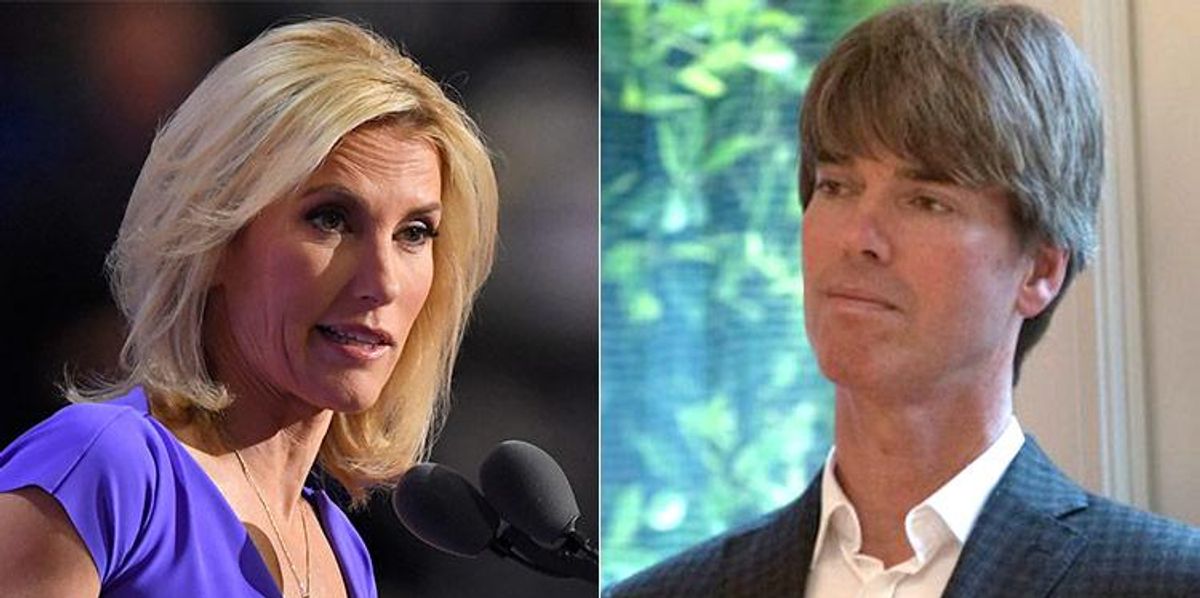
In response to her brother’s harsh critique, Laura Ingraham expressed that she was both “shocked and saddened” by Curtis’s characterizations. Despite their estrangement, she conveyed feelings of loss regarding their relationship, claiming she misses him. These statements emphasize the personal toll that public disagreements can have on family dynamics, showcasing the emotional weight behind their very public feud.
Throughout their interaction, it becomes clear that personal grievances amplify the cultural tensions prevalent in today’s society. Curtis’s condemnation of Laura is not just a critique of her political positions but also a reflection of how family connections can be strained by differing beliefs. As siblings with polarizing viewpoints, the Ingrahams bring to light the complexities of familial love amidst profound ideological divides.
Broader Cultural Implications

The clash between Curtis and Laura Ingraham serves as a lens for understanding larger societal debates and the role that families play in shaping political opinions. Curtis’s allegations point to a troubling pattern of behavior that he believes is representative of a systemic issue within right-wing rhetoric—one that disregards the dignity and rights of individuals from diverse backgrounds.
This family feud invites the public to reflect on how personal relationships can impact views on broader social issues. As public figures engage in political battles, their familial ties and personal experiences inevitably mold their narratives, revealing how deeply intertwined personal and political perspectives can be.
Ultimately, the Ingraham saga serves as a stark reminder of the broader implications of our choices and words, both on a personal and societal level. As Curtis continues to confront his sister’s public persona, the conversation evolves beyond the Ingrahams, touching on the fundamental questions surrounding compassion, empathy, and understanding in a time of division.
Is your family divided by politics? Join the conversation on how differing beliefs impact family dynamics and share your stories about navigating these complicated waters. Let’s dive deeper into dialogue that fosters understanding and unity amidst our differences, learning from one another’s experiences along the way.

Leave a Reply