
Fox News Anchor Appears to Use Antigay Slur in Rant About Pete Buttigieg
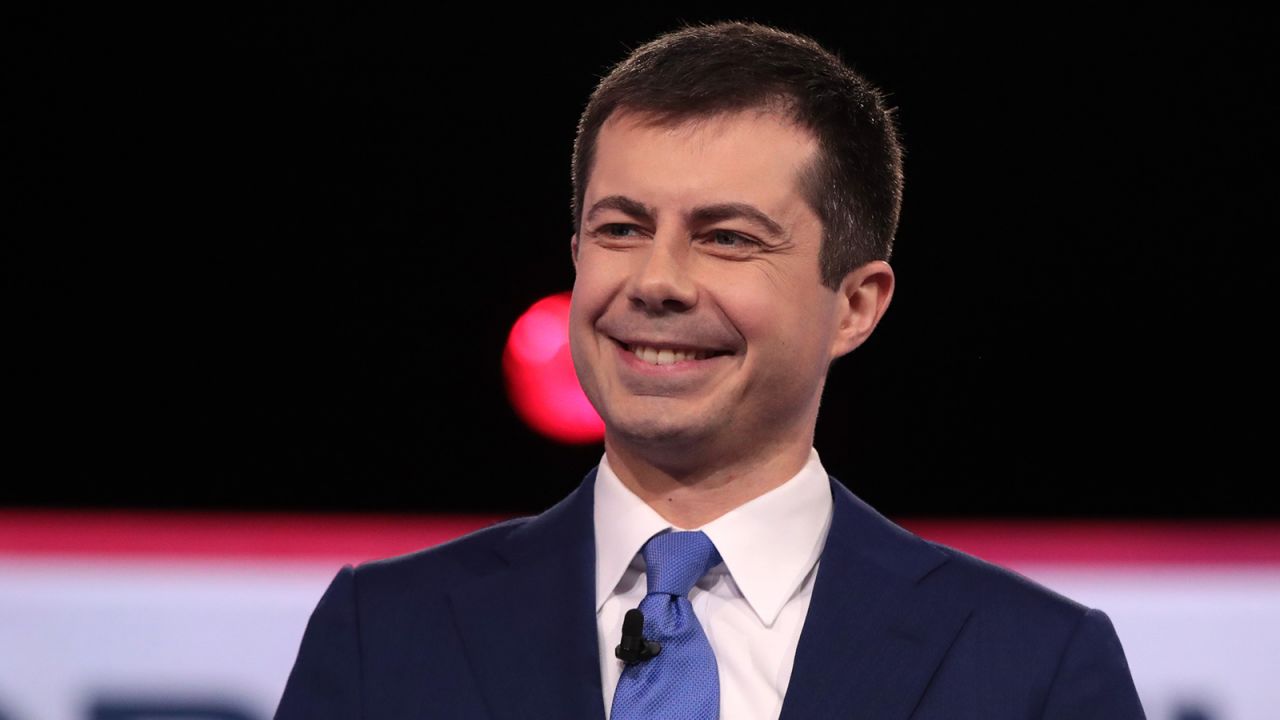
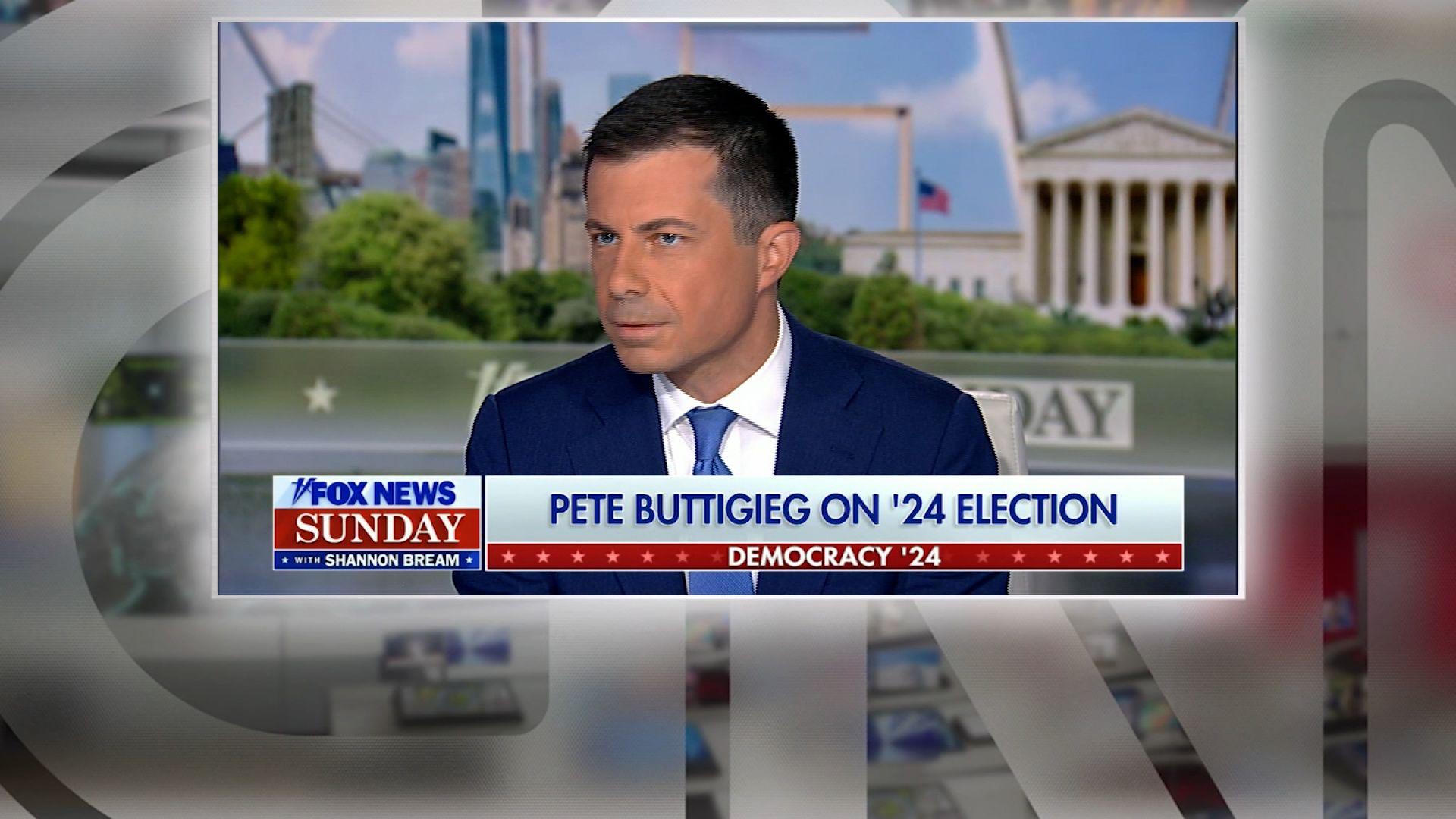
In a recent broadcast on Fox News, anchor Rachel Campos-Duffy made headlines after seemingly using an antigay slur while critiquing Pete Buttigieg, the former Transportation Secretary and one of the most recognizable openly gay politicians in the United States. During a segment that featured a news chyron displaying Buttigieg’s name, Campos-Duffy remarked on his supposed struggles with “masculinity,” leading to a comment that was interpreted as an indirect reference to his sexual orientation.
While discussing Buttigieg, Campos-Duffy slipped up and referenced him as a “virtue-signaling winger fagger,” quickly correcting herself to say “wagger.” This misstep drew significant attention on social media, with many speculating whether it was a Freudian slip, revealing underlying biases against LGBTQ+ identities. A spokesperson from Fox News suggested that the term used was merely an accident, attempting to diffuse the situation.
Implications of the Use of Language in Media
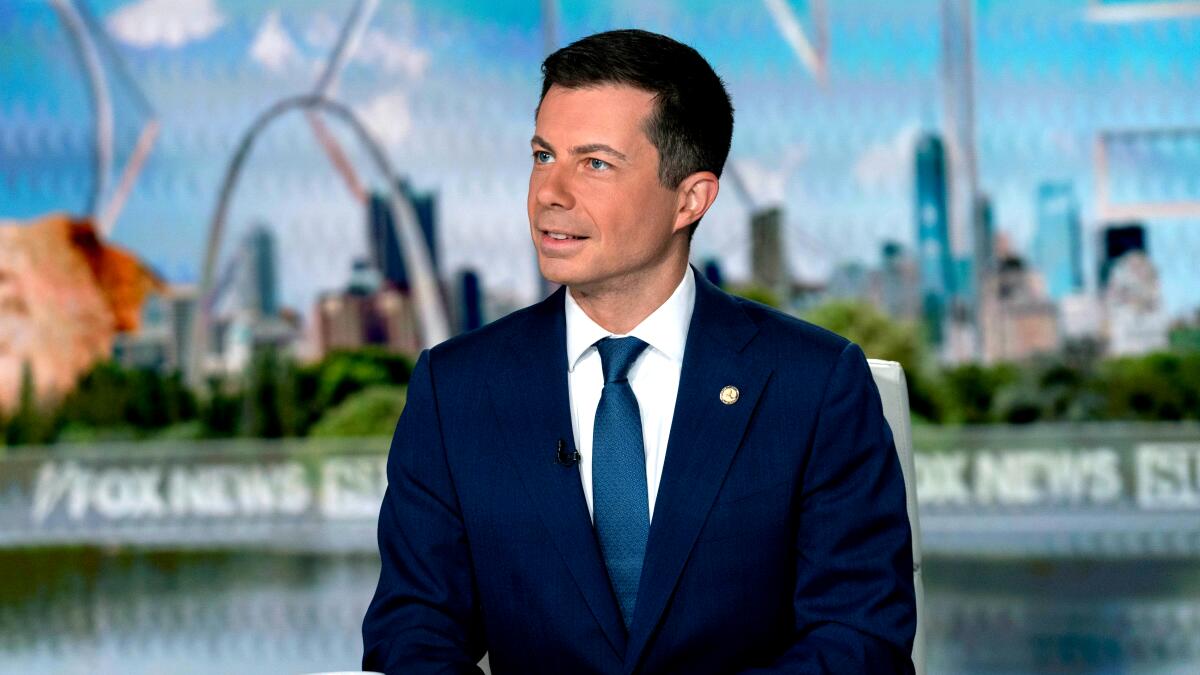
The choice of words in mainstream media can have profound impacts, especially when discussing topics related to sexual orientation. The slip-up during the Fox segment did not just result in a moment of awkwardness but instead fed into the ongoing debate about how LGBTQ+ issues and figures are represented in right-leaning media outlets. Campos-Duffy’s comments extended beyond a simple mistake; they signaled the discomfort faced by conservative personalities in discussing openly gay figures who challenge traditional perceptions of masculinity.
Throughout the segment, Campos-Duffy also mocked Buttigieg’s attempts to resonate with young voters—a demographic increasingly supportive of LGBTQ+ rights. Dismissing his credibility, Fox contributor Raymond Arroyo suggested that Buttigieg’s efforts to connect with male audiences were as ineffective as a transgender influencer trying to engage the broader male populace. This comment served to further trivialize LGBTQ+ figures and their attempts to create political discourse.
Buttigieg’s Engagement in Political Discourse

Against this backdrop, Buttigieg has been engaging in conversations highlighting crucial issues within the LGBTQ+ community, fatherhood, and identity. His recent guest appearance on the Flagrant podcast showcased his unique political strategy aiming to broaden his appeal among diverse voter groups, particularly younger individuals. Supporters argue that this reflects his commitment to representing all voices, regardless of sexual orientation.
The responses from figures like Campos-Duffy and Arroyo underscore the flighty nature of right-wing media discourse when posed with an openly gay politician who actively contributes to important political conversations. Their discomfort suggests that Buttigieg’s presence in the political arena threatens traditional narratives around masculinity and leadership that have historically sidelined LGBTQ+ individuals.
The Broader Context of LGBTQ+ Representation
What transpired in the segment brings attention to the wider issue of LGBTQ+ representation in politics and media. The incident not only highlights the biases still present in some quarters of mainstream media but also reflects society’s struggle with acceptance and understanding of diverse identities. Language can powerfully shape perceptions and reinforce stereotypes, and this episode serves as a reminder of how verbal slips may expose deeper societal attitudes.
As the LGBTQ+ community strives for greater acceptance in today’s political landscape, the words used in public discourse carry weight. This particular incident serves to emphasize the delicate balance between critique and prejudice. The unfortunate gaffe from Campos-Duffy, albeit unintentional, reaffirms the necessity for sensitivity and awareness when discussing matters involving sexual identity and representation.
For passionate advocates of LGBTQ+ rights, Buttigieg’s ongoing efforts symbolize a progressive shift in political engagement and inclusivity. The reactions to the comments made during the Fox News segment also highlight the need for continued vigilance in promoting fair portrayals of marginalized groups and addressing systemic biases that linger in public discussions.
Conclusion
Ultimately, the attention garnered from Campos-Duffy’s comment sheds light on the complexities of language, identity, and politics. As society progresses towards greater acceptance, learning from these instances can foster more respectful dialogue surrounding LGBTQ+ issues. It is crucial to support voices like Pete Buttigieg’s that push for inclusion and representation in the political arena. Stay informed and engaged in discussions that matter—every voice counts, and your awareness can make a difference.
Leave a Reply