
A Humble Song: How ‘Jolene’ Revolutionized Music’s View of Femininity

Dolly Parton is renowned not only as a stalwart of country music but also as a feminist icon whose artistic contributions have profoundly shifted perspectives regarding femininity in the music industry. Among her remarkable repertoire, the song “Jolene,” which debuted in 1973, signifies a transformative juncture in how women are portrayed in music and culture.
The Vulnerability in ‘Jolene’

When examining “Jolene,” Parton shared her belief that the song’s essential message resonates deeply with a multitude of women. It evokes themes of vulnerability and self-doubt confronted in the light of another’s allure. The lyrics portray an earnest appeal to another woman, one who could easily capture her partner’s affection. This approach showcases an emotional honesty that was strikingly rare in song lyrics of that period.
The protagonist of “Jolene” openly acknowledges her feelings of inadequacy and fear of losing her partner to a rival. This emotional rawness sets the stage for an unprecedented narrative arc. Rather than portraying jealousy through anger and aggression, Parton’s work encourages understanding and self-reflection, fundamentally transforming the dialogue around infidelity and rivalry among women.
Redefining Female Archetypes in Music

Prior to “Jolene,” female characters in music often fell into stereotypical roles—predominantly as vengeful rivals or passive victims. However, Dolly breaks away from these archetypes; her lyrics present a complex woman grappling with her insecurities. This nuanced perspective not only resonates with women but also challenges the norms of storytelling in music.
Parton’s narrative empowers listeners, inviting them to embrace their vulnerabilities instead of masking them. By elevating the conversation around female experience, “Jolene” heralded a new era in music where women could afford to express their fears and struggles candidly, reinforcing the importance of emotional depth and authenticity.
The Cultural Impact and Legacy of ‘Jolene’

Through her extensive career, Dolly Parton has garnered numerous accolades, including a historic number of No. 1 hits in the country genre. Her relentless dedication to her craft, spanning over six decades, mirrors her pioneering spirit aimed at championing women in the music landscape. “Jolene” is not merely a song; it is a cultural milestone that highlights female solidarity and empowerment.
The song’s influence extends beyond the musical realm; it has sparked conversations surrounding female identity and the representation of women in art. Parton’s ingenious storytelling in “Jolene” has inspired countless artists who came after her, fostering a sense of community and resilience among women in the industry.

Moreover, Dolly Parton embodies an ideal of authenticity in the arts, aligning her personal narrative with broader feminist ideals. Her dedication to uplifting women through music intertwines with her broader vision for gender equality, making her a figurehead in the continuous dialogue about women’s rights in the entertainment industry.
Conclusion
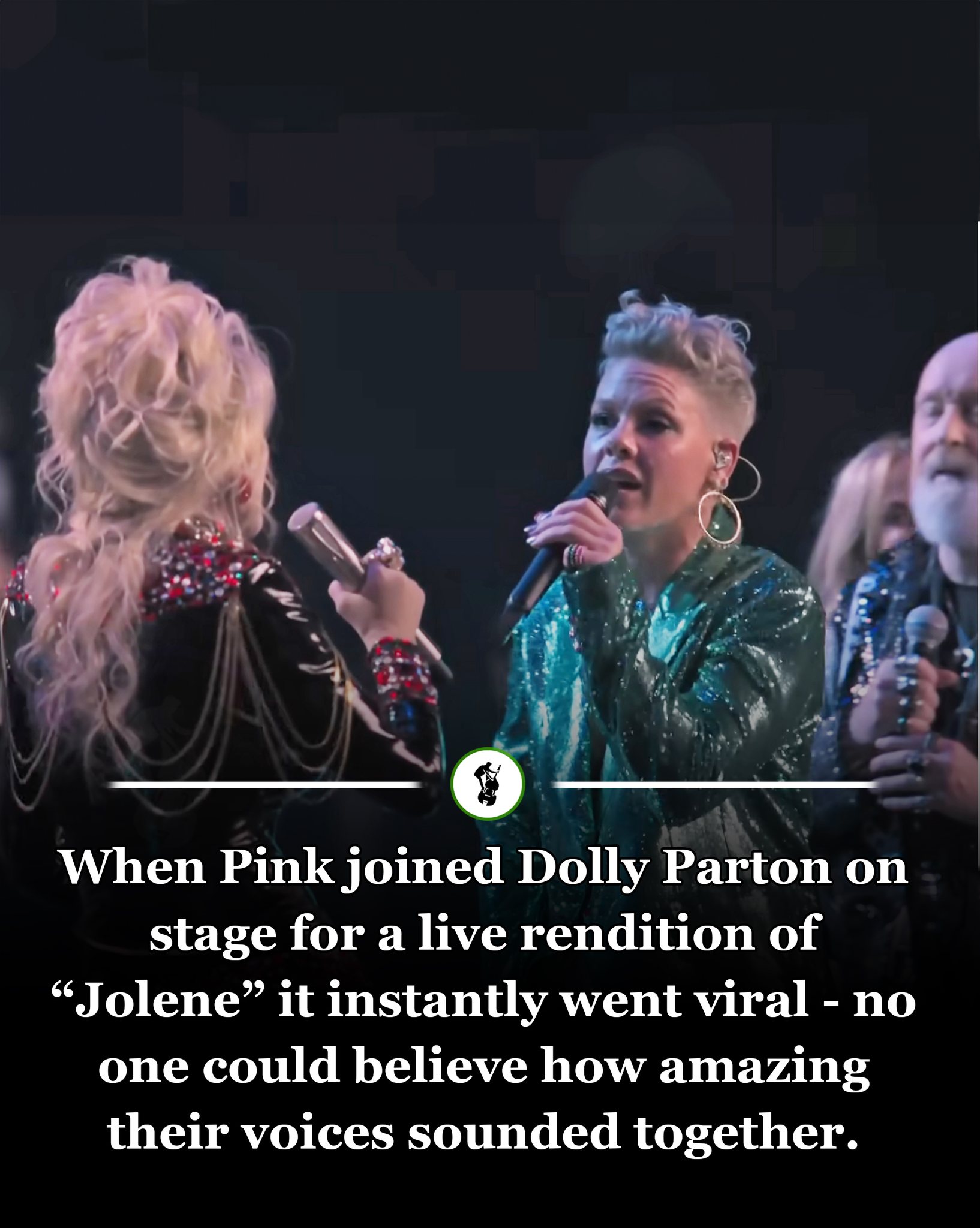
“Jolene” not only redefined the way femininity is expressed in music, but it also underscored the importance of vulnerability and emotional honesty in artistic expression. Dolly Parton’s legacy empowers future generations to embrace their true selves, championing self-discovery and resilience in the face of adversity. To find out more about how “Jolene” has shaped modern music and discussions around femininity, explore the rich legacy of this groundbreaking song and its enduring impact on the industry.
Leave a Reply